

Ποιος είπε ότι το καινούργιο είναι πάντα καλύτερο; Σε κάθε γωνιά του πλανήτη υπάρχουν οργανισμοί που έχουν αντέξει για αιώνες ή ακόμη και για χιλιετίες, ξεπερνώντας πολέμους, κλιματικές αλλαγές και αμέτρητες γενιές ανθρώπων.
Από μια αρχαία ελιά στην Κρήτη και ένα δέντρο που συνδέεται με τον Βούδα έως μια χελώνα σχεδόν δύο αιώνων και ένα υποθαλάσσιο λιβάδι ηλικίας περίπου 200.000 ετών, αυτά τα δέκα εντυπωσιακά φυσικά μνημεία προσφέρουν ένα μοναδικό ταξίδι στην ιστορία της ζωής στη Γη, σύμφωνα με έρευνα του CNN.
1. Το δάσος που είναι ένας οργανισμός
Στη Γιούτα των ΗΠΑ, το Pando αποτελείται από περίπου 50.000 λεύκες που τρέμουν. Όλα τα δέντρα μοιράζονται το ίδιο ριζικό σύστημα και είναι γενετικά πανομοιότυπα, με αποτέλεσμα η αποικία να θεωρείται ένας ενιαίος οργανισμός. Η ηλικία της εκτιμάται ότι μπορεί να φτάνει έως και τα 80.000 χρόνια, ενώ καλύπτει περισσότερα από 100 στρέμματα.
2. Η αρχαία ελιά της Κρήτης
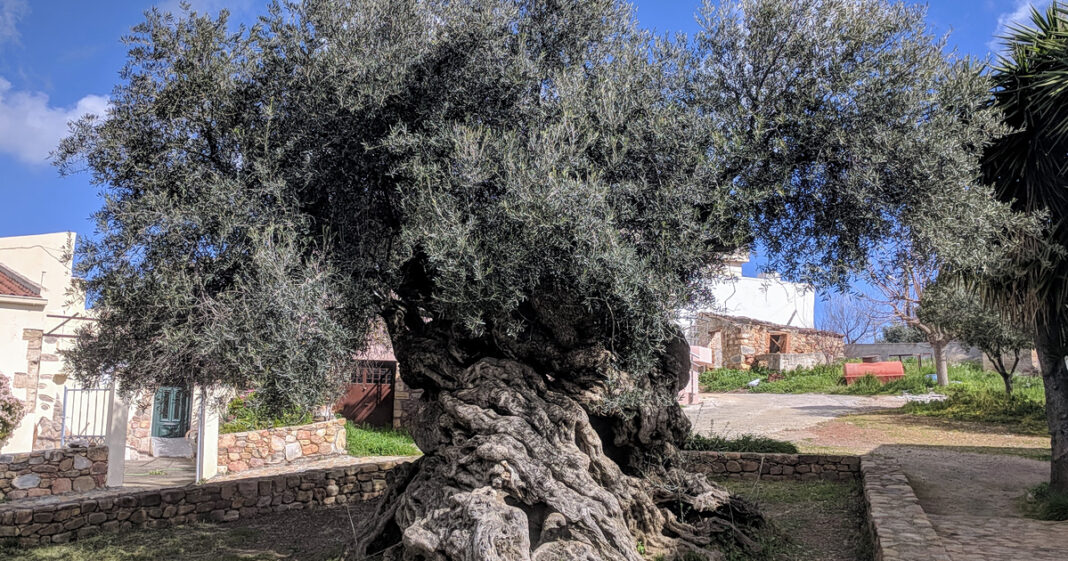
Στο χωριό Βούβες των Χανίων βρίσκεται μία από τις πιο γνωστές αρχαίες ελιές της Μεσογείου. Η ηλικία της υπολογίζεται μεταξύ 2.000 και 3.000 ετών. Ο εντυπωσιακός, στρεβλός κορμός της έχει γίνει σχεδόν γλυπτό, όμως το δέντρο εξακολουθεί να παράγει ελιές, συνδέοντας τη σύγχρονη Κρήτη με την πανάρχαια ιστορία της ελαιοκαλλιέργειας.
Olive Tree of Vouves – the world’s oldest living olive tree is in Crete, Greece :
The oldest olive tree in the world is located in the village of Ano Vouves of Kissamos in Chania, Crete, Greece. The ancient tree is 3000 years old, as determined by the international scientific community. This tree likely lived through writing of Iliad (golden age of Athens), rise of Roman Empire, and birth of Christ; and then lived for 2000 years after that. It still produces olives, as well.
The ancient olive tree in Vouves has a trunk with a circumference of 12.5m, and a diameter of 4.6m. It belongs to the local tree variety of tsounati and was grafted at a height of three meters onto a wild olive tree. Because of the grafting, its trunk has been so beautifully shaped by nature that it resembles a sculpture. In 1990, after a unanimous decision in the prefecture of Chania, the Vouves Olive Tree was declared a Natural Monument of great importance due to its status as the world’s oldest tree of its kind.
The fruits of the ancient olive tree produce the best olive oil in the world, making the area the cradle of olive cultivation on the island of Crete. Trunk of the tree is now hollow as there is no heartwood, so the olive is renewed outward and the heartwood gradually rots away. Since the olive tree is constantly renewing its wood, it has served as a a symbol of immortality since ancient times.
Thousands of tourists visit the stunning tree every summer to marvel at it and learn its history. They are mainly impressed by its enormous shape and the imposing volume of the trunk but also by the fact that it has remained alive and fruitful for 3000 years. The site of the olive tree, including the entire hill on which several villages are situated, has thousands of olive trees and the villages are widely believed to produce the best olive oil in the world.
The olive tree has been associated with Greece for millennia. It symbolizes peace and prosperity, as well as the hope of resurrection and prosperous life. The typically Mediterranean Greek landscape is dotted with these trees, and Greeks throughout the centuries have been inextricably linked with this plant.
For Ancient Greeks, the olive tree was one of two of the most respected mythical trees, along with the oak. The deeply rooted love and respect shown to this tree by Greeks has survived throughout the centuries.
In ancient Greece, Olive Oil is known as “Liquid Gold,” as Homer called it, has been part of Greece’s history since antiquity. It is an irreplaceable nutritional component of the Greek diet. Ancient Greeks also used olive oil as part of their efforts to enjoy a healthy life and to promote longevity, and used it as a cosmetic for the skin and hair. Today, Greek olive oil is considered by most as the best in the world.
The history of humanity’s use of the olive dates back to ancient history. In his work “Origine des plantes cultivées,” botanist Augustin Pyrame de Candole writes that our cultivation of the tree started some time around 4000 BC and that its origin is from the coasts of Asia Minor.
Today, throughout the world, there are approximately 800 million olive trees of which approximately 95% are cultivated in the Mediterranean basin, which has best soil and climatic conditions for olive cultivation. The olive is widely grown all over in Greece. Its cultivation, which is greater than any other type of fructiferous tree, occupies approximately 15% of cultivated agricultural land and 75% of arboraceous cultivations in the country.
#archaeohistories
— Archaeo – Histories (@archeohistories) September 20, 2025
3. Wisdom, το άλμπατρος των εκατομμυρίων χιλιομέτρων
Η Wisdom, ένα θηλυκό άλμπατρος Λέισαν, θεωρείται το γηραιότερο επιβεβαιωμένο άγριο πτηνό στον κόσμο. Η ηλικία της υπολογίζεται περίπου στα 75 χρόνια. Από τότε που δακτυλιώθηκε, το 1956, εκτιμάται ότι έχει διανύσει περισσότερα από 4,8 εκατομμύρια χιλιόμετρα και έχει μεγαλώσει τουλάχιστον 30 νεοσσούς. Κάθε χρόνο επιστρέφει στην ατόλη Μίντγουεϊ, στον Ειρηνικό Ωκεανό.
Wisdom, the world’s oldest known wild bird is BACK and has laid an egg on Midway Atoll #WildlifeRefuge. She’s at least 68 years old.
— U.S. Fish and Wildlife Service (@USFWS) December 6, 2018
4. Τζόναθαν, η χελώνα των 194 ετών
Ο Τζόναθαν είναι μια γιγάντια χελώνα που ζει στο νησί της Αγίας Ελένης, στον Νότιο Ατλαντικό. Εκτιμάται ότι γεννήθηκε γύρω στο 1832 και, σε ηλικία περίπου 194 ετών, έχει ζήσει σχεδόν τέσσερις δεκαετίες Αμερικανών προέδρων. Κατάγεται από τις Σεϋχέλλες και μεταφέρθηκε στην Αγία Ελένη το 1882.
How does Jonathan, the world’s oldest terrestrial animal at 194 years young, defy aging?
Researchers in @ScienceAdvances sequenced the Aldabra giant tortoise’s genome to discover possible molecular factors related to his remarkable longevity.
— Science Magazine (@ScienceMagazine) October 19, 2026
5. Το ρόδο που επέζησε από τους βομβαρδισμούς
Στο Χίλντεσχαϊμ της Γερμανίας, μια τριανταφυλλιά γνωστή ως «Ρόδο των Χιλίων Ετών» εκτιμάται ότι υπάρχει από το 815. Το φυτό φύεται δίπλα στον καθεδρικό ναό της πόλης και άντεξε ακόμη και τους βομβαρδισμούς του Β΄ Παγκοσμίου Πολέμου, οι οποίοι κατέστρεψαν μεγάλο μέρος του ναού. Παρά τις καταστροφές, η τριανταφυλλιά επέζησε και συνεχίζει να αναπτύσσεται.
6. Το ιερό δέντρο του Βούδα
Στη Σρι Λάνκα βρίσκεται το Jaya Sri Maha Bodhi, μια συκιά που φυτεύτηκε περίπου το 250 π.Χ. από μόσχευμα του δέντρου κάτω από το οποίο, σύμφωνα με τη βουδιστική παράδοση, ο Σιντάρτα Γκαουτάμα έφτασε στη φώτιση. Θεωρείται το αρχαιότερο δέντρο στον κόσμο με καταγεγραμμένη ημερομηνία φύτευσης.
The Maha Bodhi Society of India, Buddhagaya Centre, welcomed officers from Sri Lanka’s three armed forces to Jaya Sri Maha Vihara, Bodh Gaya. The visit celebrated Buddhist heritage, friendship, peace and harmony between India and Sri Lanka.
#BodhGaya #SriLanka #Buddhism
— Mahabodhi Society Buddhagaya Temple (@mbsibuddhagaya) October 16, 2026
7. Η γιαρέτα των Άνδεων
Η γιαρέτα είναι ένας βραδυαυξής, πράσινος θάμνος που συναντάται σε μεγάλα υψόμετρα των Άνδεων, στη Νότια Αμερική. Τα μεγαλύτερα δείγματα εκτιμάται ότι μπορεί να έχουν ηλικία έως και 3.000 ετών. Η εξαιρετικά αργή ανάπτυξή της, που σε ορισμένες περιπτώσεις φτάνει μόλις το ένα μέτρο ανά αιώνα, εξηγεί τη μακροβιότητά της.
8. Το πεύκο Μεθουσάλα
Στα Λευκά Όρη της Καλιφόρνιας, στις ΗΠΑ, ζει το πεύκο Μεθουσάλα, ένα δέντρο είδους γνωστού για τη μεγάλη διάρκεια ζωής του. Η ηλικία του υπολογίζεται περίπου στα 5.000 χρόνια και θεωρείται ένας από τους αρχαιότερους γνωστούς μη κλωνικούς ζωντανούς οργανισμούς. Η ακριβής τοποθεσία του κρατείται μυστική, ώστε να προστατευτεί από πιθανές φθορές.
9. Οι γιγάντιοι σπόγγοι της Ανταρκτικής
Στα παγωμένα νερά γύρω από τον πορθμό ΜακΜέρντο, στην Ανταρκτική, ζουν οι σπόγγοι Anoxycalyx joubini. Το μεγάλο τους μέγεθος σε συνδυασμό με τον εξαιρετικά αργό ρυθμό ανάπτυξής τους έχει οδηγήσει τους επιστήμονες στην εκτίμηση ότι ορισμένοι μπορεί να έχουν ηλικία έως και 15.000 ετών.
10. Το υποθαλάσσιο λιβάδι των 200.000 ετών
Κοντά στο ισπανικό νησί Φορμεντέρα, στη Μεσόγειο, απλώνεται ένα τεράστιο λιβάδι ποσειδωνίας, γνωστής και ως «γρασίδι του Ποσειδώνα». Οι γενετικές εκτιμήσεις δείχνουν ότι ένας ενιαίος οργανισμός του είδους μπορεί να έχει ηλικία περίπου 200.000 ετών, γεγονός που τον κατατάσσει ανάμεσα στους αρχαιότερους γνωστούς ζωντανούς οργανισμούς στον πλανήτη.